

History
The Speed Art Museum, originally known as the J.B. Speed Memorial Museum, is Kentucky’s oldest and largest art museum. From its modest beginnings in 1925, the museum has continued to expand its building and enrich its collection.
1925
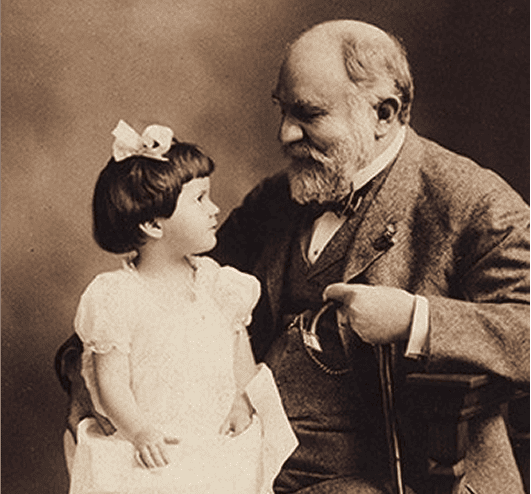
The Speed Art Museum is founded by Hattie Bishop Speed as a memorial to her husband, James Breckinridge Speed, a prominent Louisville businessman and philanthropist.
1927
Designed by Louisville architect Arthur Loomis, the museum opens its doors on January 15, with an exhibition sponsored by the Louisville Art Association. Nearly 2,000 visitors are on hand to view works by more than 100 American and European painters.
Mrs. Speed serves as the first president and director of the museum.
1927
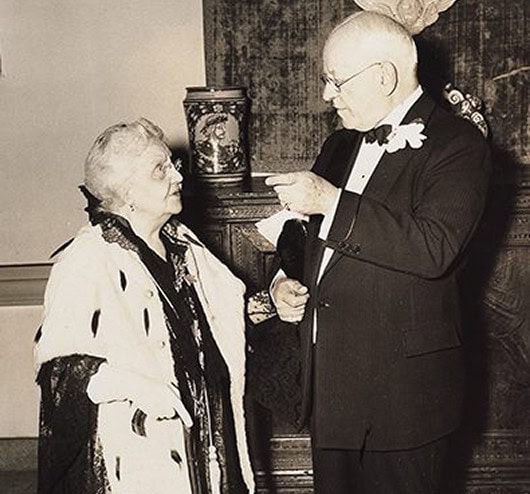
The museum is incorporated as a privately endowed institution, and its board of governors is established.
1941
Dr. Preston Pope Satterwhite gives the museum his collection of 15th- and 16th-century French and Italian Decorative Arts tapestries and furniture.
1942
Hattie Bishop Speed dies and Catherine Grey, a member of the museum’s first Board of Governors and a friend of Mrs. Speed, becomes the museum’s acting director.
1944
Dr. Satterwhite donates the English Renaissance room, which is moved in its entirety from Devonshire, England. This necessitates an expansion of the museum, which is provided for in Dr. Satterwhite’s will. The first of three additions to the original building, the expansion is completed in 1954 and bears his name.
Dr. Frederick Weygold donates a valuable collection of North American Indian artifacts to the museum.1946
Paul S. Harris becomes the museum’s first professional director. During his tenure, acquisitions to the collection are made mostly in the areas of decorative arts and furniture.
1962
Franklin Page, formerly the curator of contemporary art at the Detroit Institute of Arts, becomes the Speed’s director. During Mr. Page’s tenure, the museum collection expands, and the North and South Additions are built.
1977
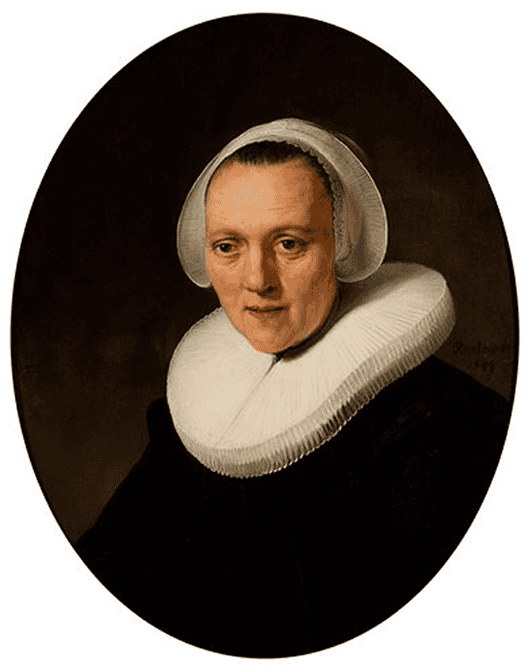
The Speed celebrates its 50th anniversary with the acquisition of Rembrandt’s Portrait of a Woman. Mr. Page and the Board of Governors lead the campaign to raise the $1.5 million necessary to purchase the work, one of the museum’s most significant acquisitions.
1983
An additional wing, designed by Robert Geddes of Princeton, New Jersey, opens.
1986
Peter Morrin, formerly the curator of 20th-century art at the High Museum in Atlanta, becomes director. Mr. Morrin continues the enrichment of the collection and initiates an outreach program to involve local communities.
1996
The museum closes for a significant renovation and receives a bequest of more than $50 million from Alice Speed Stoll, granddaughter of James Breckinridge Speed. The bequest marks one of the largest given to any art museum and brings the Speed’s endowment to among the top 25 in the United States.
Mrs. Stoll’s bequest secures the museum’s future and allows for several significant acquisitions including Jacob van Ruisdael’s Landscape with a Half Timbered House and a Blasted Tree (1653) and Paul Cezanne’s Two Apples on a Table (c 1895-1900).1997
The Speed reopens and excites the region with traveling exhibitions and new acquisitions. It also receives a bequest from the estate of longtime Board of Governors member General Dillman A. Rash, who leaves the museum works by Marc Chagall, Jean Dubuffet, Paul Klee, Henri Matisse, Pablo Picasso and Maurice Utrillo.
2005
Dr. Charles L. Venable, formerly the Deputy Director for Collections and Programs at the Cleveland Museum of Art, is named Director of the Speed Art Museum.
2012
The museum closes its doors to start a $50-million expansion and renovation.
2013
The Speed welcomes new Director Ghislain d’Humières, who assumes his role after serving as Director and Chief Curator of the University of Oklahoma’s Fred Jones Jr. Art Museum.
Local Speed opens in Louisville’s NuLu district to serve as the Speed’s satellite space for programming and exhibitions during the museum’s three-year expansion.
An additional gift allows the museum to complete its entire master plan during the three-year expansion. This plan includes a South Building that houses a state-of-the-art cinema capable of screening 16mm, 35mm and digital films.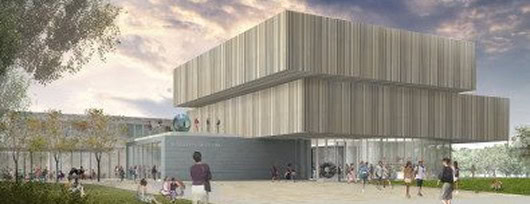
2016
The Speed Art Museum reopens to the public on March 12.
2017
Stephen Reily, longtime civic and business leader and supporter of the Museum becomes interim Director in April, 2017 and then named Director in January, 2018 by the Board of Trustees.
2021
Raphaela Platow, former Director at the Contemporary Art Center in Cincinnati, Ohio becomes the first woman Director of the Speed Art Museum since founder Hattie Bishop Speed.